

Neural rendering
Radiance caching, neural materials, texture compression and GPU inference. Built into the renderer, from training to the frame.
Explore Neural renderingTraverse Research / GPU engineering for vendors
We model tomorrow’s rendering and neural workloads on silicon that does not exist yet, validate the first parts against the same workloads, build the SDKs developers adopt and ship the launch demo. Eight vendors, about three years ahead of retail, and Evolve, our GPU and AI benchmark, as the measuring stick at every stage.

Representation → implementation → measurement
Traverse × Samsung / Mobile ray tracing
Samsung shared this Xclipse GPU demonstration on its official channel. Built in our Breda rendering framework, it shows our mobile ray-tracing collaboration in action.
Explore the Samsung collaborationA GPU programme passes through five stages. We work in all of them, and Evolve runs through every one as the measuring stick.
Know how your GPU handles the workloads of 2030 before tape-out. Future rendering and neural workloads, run on simulators and emulators years before the part exists.
GPU pre-silicon validationBenchmarking and GPU workload researchNeural renderingPre-silicon ray tracing with Imagination
First silicon against the same workloads, so a number that moves can be attributed to the architecture rather than the scene.
GPU inference and trainingCharacterising mobile ray tracing before the hardware existsEvolve and neural workloads on mobile silicon
The library and samples a developer meets, built by a team that has been on the integrating end of many of them.
SDK development for hardware vendorsAcceleration structuresNeural reconstruction and upscaling
A showcase that runs on retail devices on launch day, and the paper that explains what it does.
Neural upscaling and frame generation at Snapdragon Summit 2026Ray tracing on Galaxy S24Neural radiance cachingNeural graphics with Arm
Games tuned for the silicon once it ships. This is where Traverse Games picks up the same work.
Game performance optimisationMobile game optimisationEngineering with Embark Studios
Evolve at every stage. The workloads we model before tape-out are the ones the benchmark ships, so the same measurement follows the part from simulator to store shelf. How Evolve stays neutral
Every stage above draws on these research areas: working implementations, measured in context. Follow the question across the stack.
Radiance caching, neural materials, texture compression and GPU inference. Built into the renderer, from training to the frame.
Explore Neural rendering
Neural lighting research published with Samsung at SIGGRAPH Asia 2025. Training, inference and path tracing designed together.
Explore Neural radiance caching
Repeatable workloads that reveal architectural trade-offs, and Evolve, the benchmark we build and sell.
Explore Benchmarking and GPU workload research
Learned texture representations, evaluated from training through reconstruction and GPU integration.
Explore Neural texture compression
Neural workloads that belong inside the frame: operators, model interchange, resource flow and GPU execution.
Explore GPU inference and training
Implementations that connect light transport, materials and hardware behaviour.
Explore Rendering engineering partnerRepresent material appearance with learned functions, and make those functions practical to render and stream.
Explore Neural materials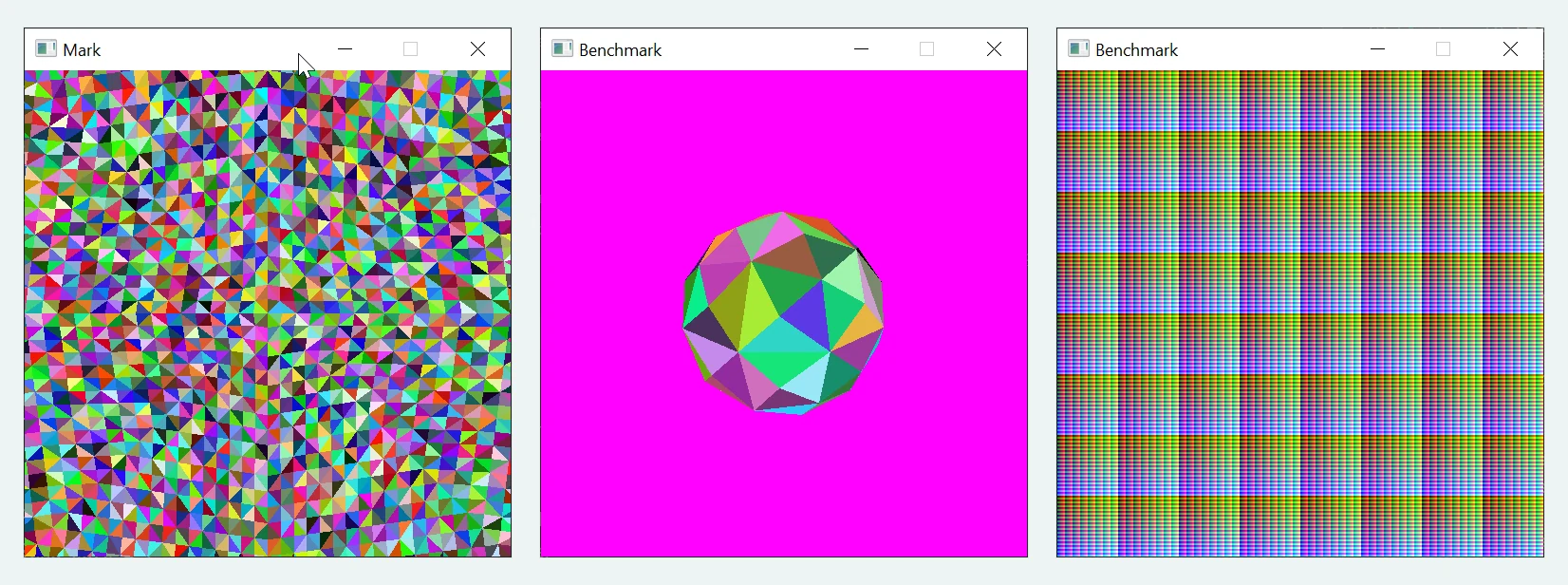
How will your GPU handle ray tracing and neural inference? We measure both on hardware that does not exist yet, one workload property at a time.
Explore GPU pre-silicon validation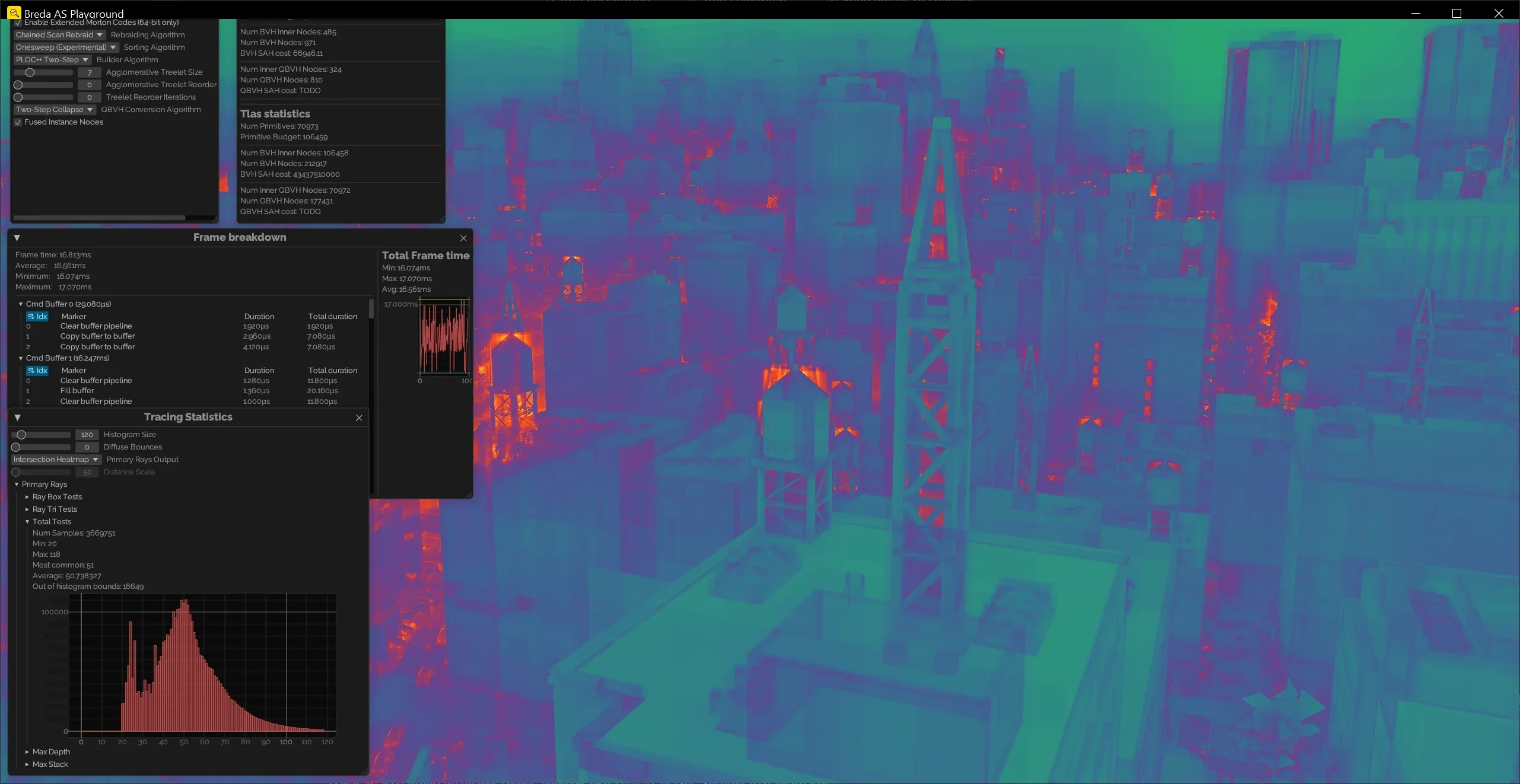
BVH construction, refit and traversal quality, compared strategy by strategy in our own playground and taken through to a driver integration.
Explore Acceleration structures
Fine geometry, capsule clustering and workload organisation for real-time strand rendering.
Explore Hair and strand rendering
Gaussian scene representations evaluated with ray tracing, lighting, shadows and image-quality comparisons.
Explore Ray-traced Gaussians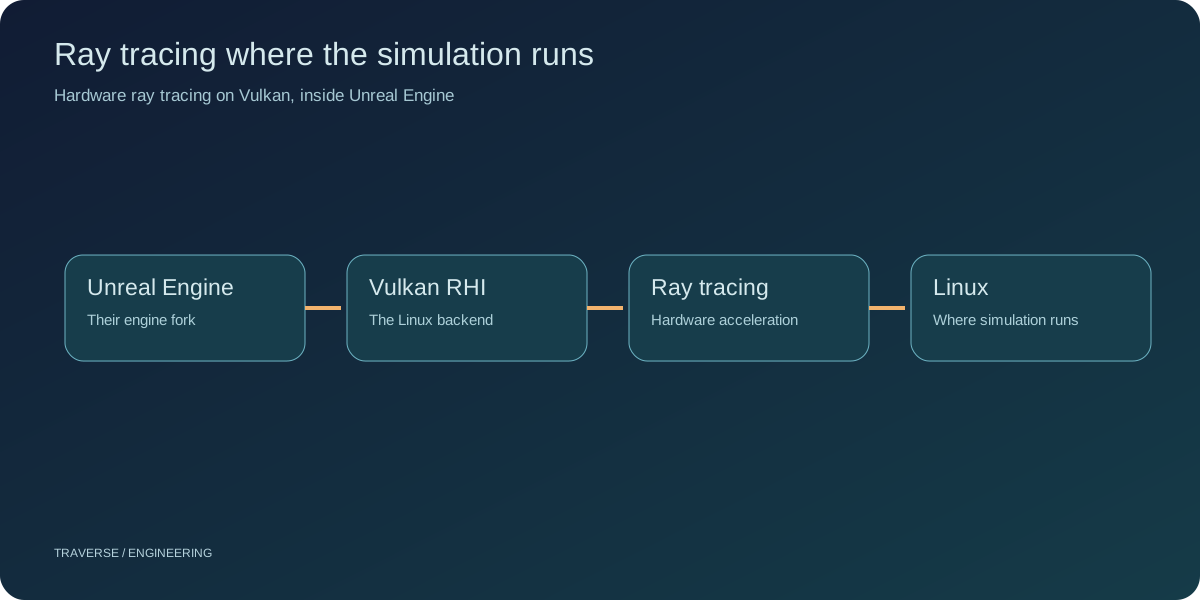
Real-time graphics engineering for simulation systems, connecting sensor data flow, image quality and GPU cost.
Explore Rendering for simulation
Detailed geometry, visibility buffers, mesh shading and asset preparation investigated as one rendering pipeline.
Explore Micro-polygon renderingAnimated volumes, heterogeneous media and clouds, with Rust tools for the data that feeds the renderer.
Explore Volumetric rendering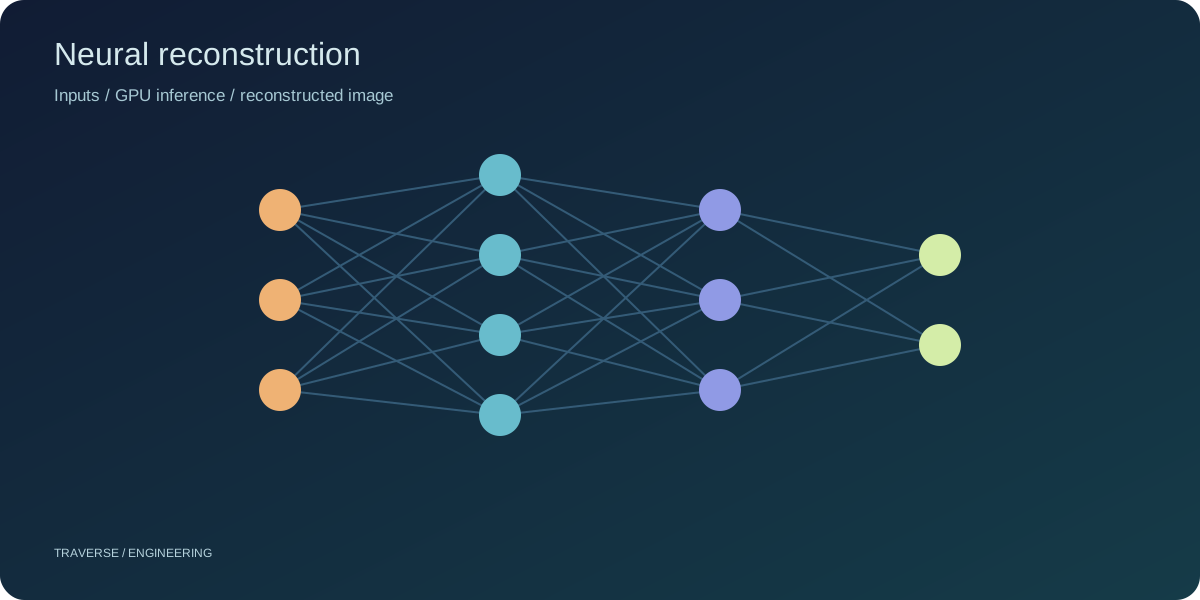
For silicon and driver teams building a reconstruction technology: independent implementation in a real renderer, evaluation against the competing upscalers, and the SDK and bindings that get developers adopting it.
Explore Neural reconstruction and upscaling
Path tracing, ReSTIR, dynamic diffuse GI and neural radiance caching connected through a working rendering framework.
Explore Light transport and global illuminationThe library a developer actually meets: C++ or Rust SDKs, bindings and small standalone samples that show what your hardware does well, built by a team that has been on the integrating end of a great many of them.
Explore SDK development for hardware vendorsLook inside the research
NeuBTF investigates learned material appearance. Explore the published project, then see how rendering, neural materials and GPU engineering connect in our wider work.
Explore NeuBTFSIGGRAPH Asia 2022 / Posters
NeuBTFNeural material appearanceRead the published researchLearned material appearance, with published quality and compression comparisons.
Traverse Research + Traverse Games